History
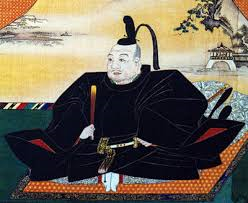
The city of Nagoya is rich with history. One of the the things its citizens are most proud of, is the fact that Oda Nobunaga, Toyotomi Hideyoshi and Tokugawa Ieyasu, often referred to as 'the three heroes', were all residents of in the area of Nagoya in the 17th century. Nagoya was officially titled a city in 1889, and since then it has grown into the outstanding city it is today.
Atsuta Shrine
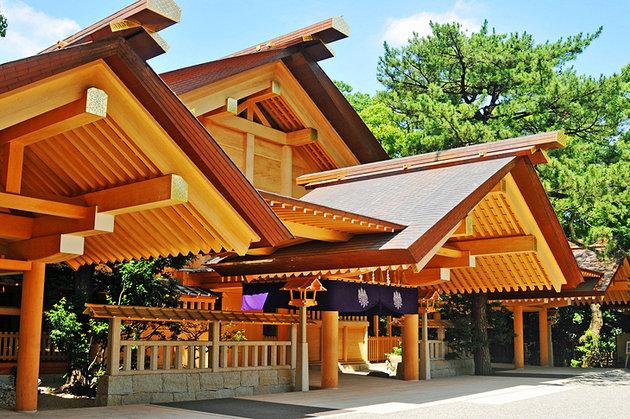
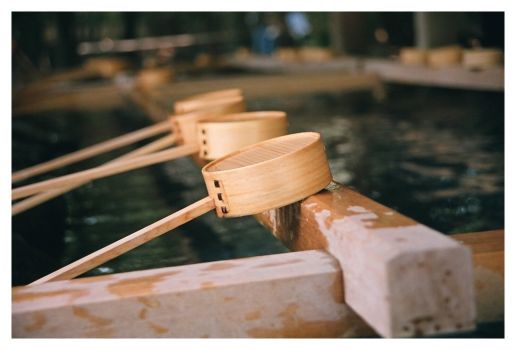
Considered as one of Japan’s most important shrines, the Atsuta Shrine is near the center of Nagoya, just a five minute walk from the Jingu Mae Subway Station. The shrine holds the imperial sword Kusanagi no Mitsurugi, a sacred sword that can only be viewed by members of the Imperial family and the highest of priests. It is surrounded by beautiful scenery; lamps, statues, small bridges and long winding pavements adorned with trees and gardens. Like most shrines, it has fresh water in a trough with wooden ladles for washing hands, and a large area where people pray and throw coins. There is also a festival called Rei San held in the month of June each year for those looking for a more lively experience.
Nagoya Castle
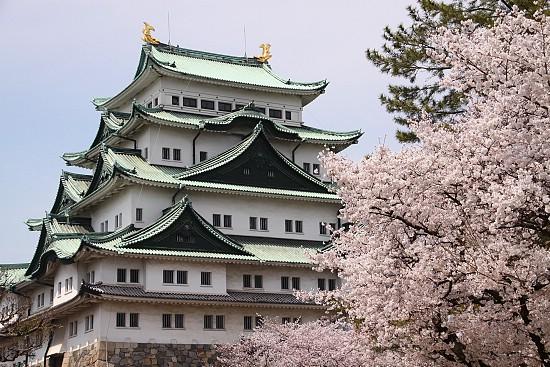
Japan is known for its stunning beauty, and Nagoya is no exception. Something Nagoya prides itself on is the Nagoya castle, an architectural wonder over four hundred years old. The castle is located in the heart of Nagoya, and has been there since 1612, where it was ordered to be built by Owari Tokugawa as he wanted to secure a spot to ward off attacks from Osaka, and remained the residence of the Tokugawa Family until 1868. The castle was badly damaged in a bombing in 1945, however some parts were left untouched, and the others reconstructed with the same traditional methods. The castle stands at 48m, giving a breathtaking view of the surrounding city, and is especially good for hanami (cherry blossom viewing). Inside the castle there are various traditional paintings and golden statues of dolphins called shachi, which have become a common symbol of Nagoya. Most parts of the castle are now considered as a museum, and are on display to the public.
Nagoya Castle is a very large museum, however there are lots of smaller museums throughout Nagoya as well. These museums range in size and content, so no matter who you are, there will be one for you. Some of the most important museums include The Toyota Automobile Museum, The Nagoya City Science Museum and the Noritake Garden.
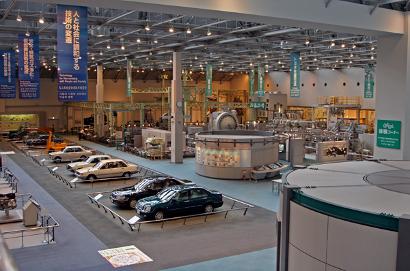

The Toyota Automobile Museum tells the story of Toyota, whilst also displaying various cars from different time periods.
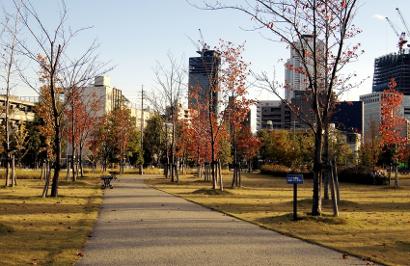
The Nagoya City Science Museum focuses on having hands on, interactive exhibits to teach about science, and can be enjoyed by both young and old.
The Noritake Garden is a large and very beautiful garden displaying multiple pieces of ceramics from the ceramics company Noritake. Visitors are able to visit the crafts center, where they can view the creation of porcelain, or even do it themselves, and look at the large variety of products produced by Noritake over the years.
The Tokugawa Art Museum
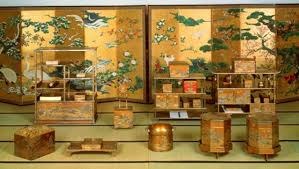
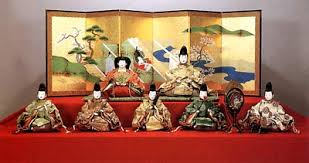
The Tokugawa Art Museum is one of the most well known museums in Japan, and there’s good reason why. It is situated on the historic land of the Tokugawa’s residence in Nagoya, and displays various artifacts from that time, including objects used in battle, such as samurai armour and swords, as well as various other things like pottery, scrolls, masks and maps. Nearby, you can relax at the stunning landscape garden, Tokugawa-en. The garden has many beautiful features such as pretty winding paths, small bridges, a tea house and who could forget the superb pond in the very centre. It is especially good to visit in Spring, when the Peony and Iris gardens bloom.
